Diamond Exchange Houston - An Overview
Table of ContentsEverything about Diamond Exchange HoustonMore About Diamond Exchange HoustonFascination About Diamond Exchange HoustonFacts About Diamond Exchange Houston RevealedDiamond Exchange Houston - The FactsThe Basic Principles Of Diamond Exchange Houston
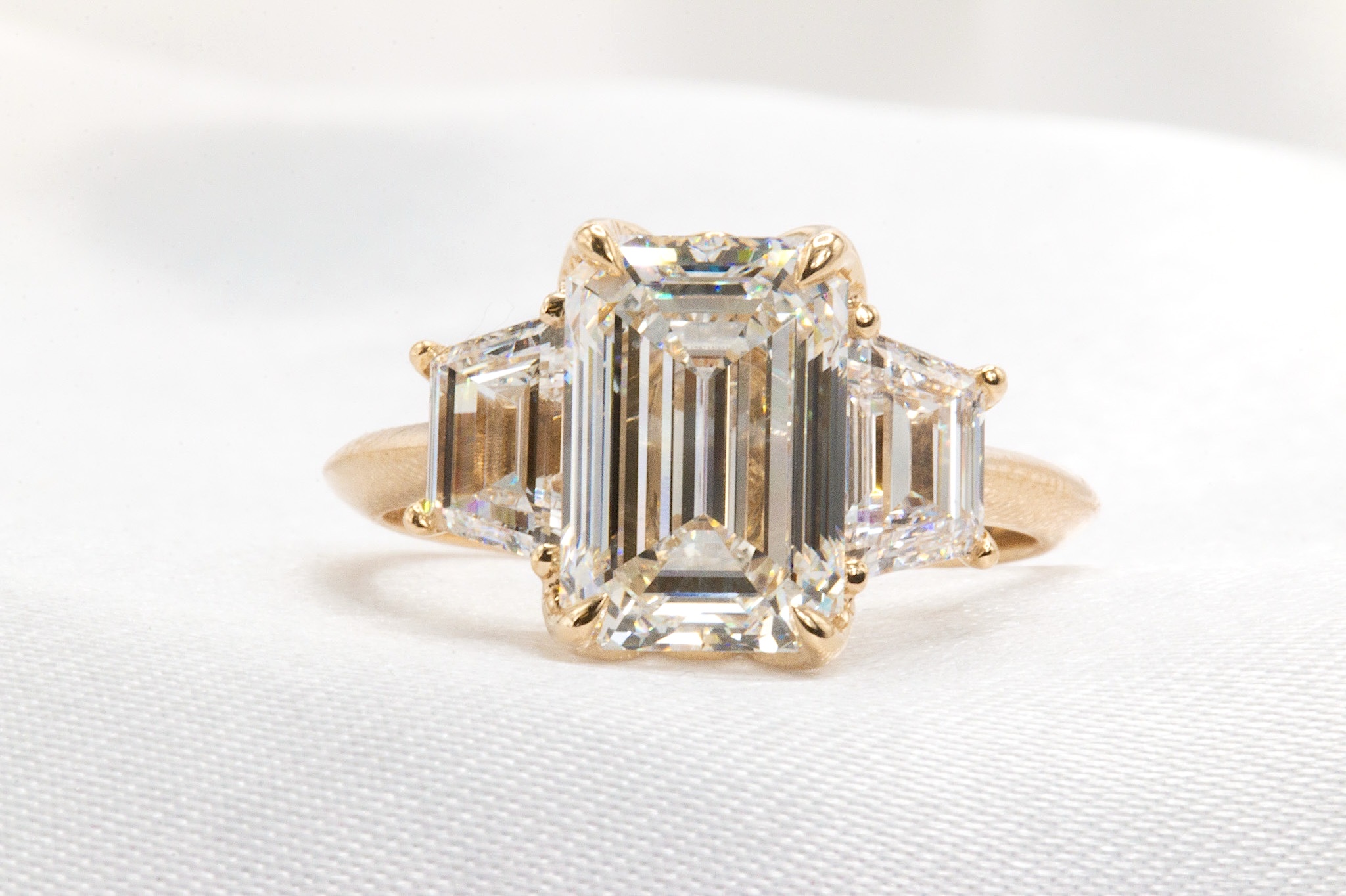
The Emerald Cut is rectangular with step-like facets and a huge, open table. The cut's long lines and reflective aspects produce an innovative appearance.The Marquise Cut is an elongated form with sharp ends, looking like a watercraft. It develops the illusion of a larger diamond and can make fingers appear longer and slimmer.
All about Diamond Exchange Houston
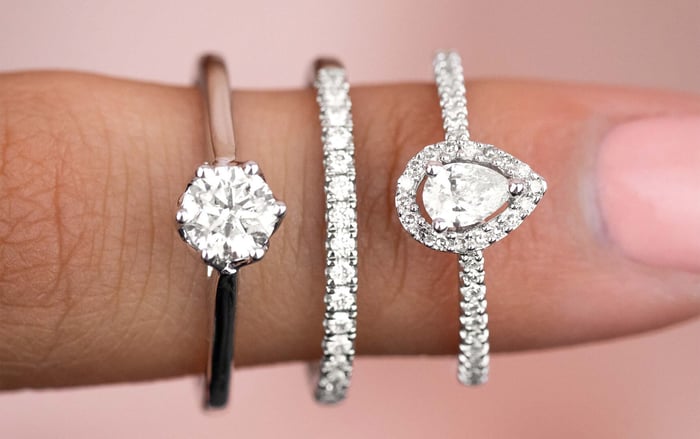
The Pear Cut, additionally recognized as the drop cut, is a combination of the round and marquise shapes, with one rounded end and one pointed end. It is elegant and unique, often chosen for its distinct and complementary shape. The Heart Cut is a charming and special form, ideal for emotional events.
Cushion Cut The Pillow Cut is a square or rectangular form with rounded corners and large aspects. This cut provides exceptional radiance and is recognized for its flexibility in various setups.
One of the most typical settings are a 4 or a 6 prong setups, yet there are much more options readily available that John Franich can speak you through when you have concurred the rock, the style and the layout. Selecting the best setup for a diamond is crucial as it boosts the diamond's look and safeguards it.
Diamond Exchange Houston - The Facts
It includes metal prongs that hold the ruby firmly in area. A variation of the prong setting, the Tiffany setup was made by Tiffany & Co. and is specifically for rounded brilliant rubies. https://www.tripadvisor.in/Profile/diam0ndhtx.
In a bezel setting, the ruby is surrounded by a thin steel rim that encloses its boundary. It's perfect for active people as it keeps the ruby safe and secure and less susceptible to damage.
It provides a smooth and continuous look, safeguarding the rubies' edges while enabling light to pass through. In a pav setting, little rubies are set closely together with marginal steel noticeable, developing a surface area of continual glimmer.
Rumored Buzz on Diamond Exchange Houston
The tension setting uses the steel band's stress to hold the ruby in location. The diamond shows up to be floating in between the 2 sides of the shank.
Comparable to the network setting, the bar setup secures diamonds in between upright steel bars. Each ruby is held by two bars on either side, revealing the sides of the rubies.
It's perfect for those that prefer a low-profile ring. The collection setting teams multiple smaller diamonds very closely with each other to create the illusion of a bigger ruby.
What Does Diamond Exchange Houston Do?
Eventually we encourage customers to Reserve a Visit with John Franich at the shop, where we can take you through all the alternatives and offer you an indicator of rates. From there we follow our Customized Made Refine which you can learn more concerning here..
Sarah Ortega is the founder of Sarah O. Jewelry, a Denver-based jewelry store selling bridal and fine jewelry. To make your ruby hunting process loads much easier, we damaged down the specifics of the involvement ring 4Cs in no certain order, along with handy suggestions on just how to maximize Loose diamonds Houston each component economically.
Diamond Exchange Houston Fundamentals Explained
According to jewelry expert Sarah Ortega, the 4Cs do issue and are useful to recognize when purchasing an involvement ring. "The 4Cs are a terrific area to begin when looking for your engagement ring. Choosing one or two of these components as your concern will certainly assist you locate your excellent stone and comprehend your budget," she shares.
On the various other hand, if you want a large carat weight dimension, color and quality may not be as high on your listing. For some, all 4Cs are necessary for consideration, and that's absolutely doable as well." That being stated, the concept that a diamond has to be "ideal" throughout all 4Cs is a misconceptionthere is no "right" collection of diamond specifications.